Habitat Restoration & Management in Southwest Wisconsin
Most land in the Driftless doesn't need to be rebuilt. It needs to be uncovered.
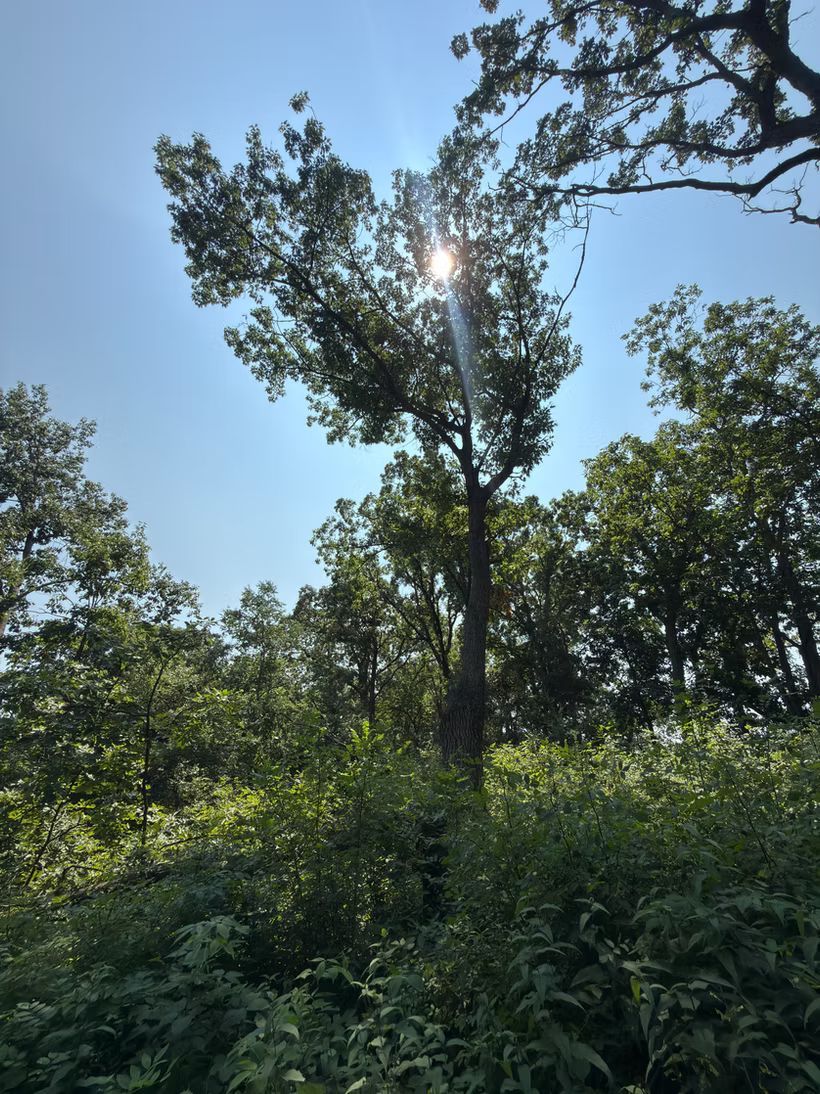
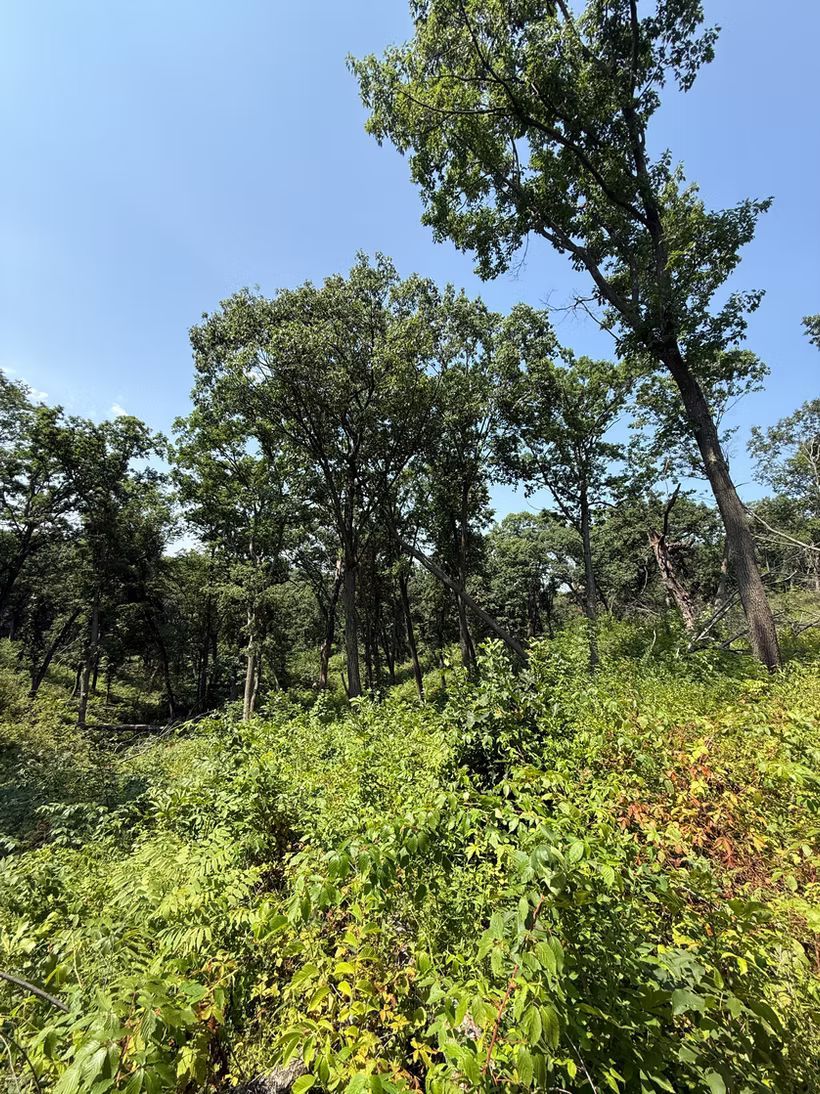
Under the buckthorn and honeysuckle on a lot of southwest Wisconsin ground, there's still a healthy oak woodland, a prairie slope, or an open understory that deer and turkey will use. Driftless Land & Habitat helps private landowners get that ground back and keep it.
We're Ryan Albert and Jordan Abruzzo, and we run a hands-on habitat restoration and land management company out of Mount Horeb. We do the work ourselves, from the first property walk to follow-up treatments years later, on hunting land, family farms and rural acreage across southwest Wisconsin.
Habitat Restoration Built for Driftless Ground
The glaciers missed the Driftless, so restoration here looks different than anywhere else in Wisconsin. One 40-acre parcel can hold a dry bluff prairie, a shaded maple slope, a ridgetop oak opening and a spring-fed valley bottom, and each needs its own plan.
Steep ground also changes how the work gets done. Clearing a whole hillside at once invites erosion, and not every slope is safe for heavy equipment. We work steep ground in sections, match the machine to the slope, and get native cover back on bare soil fast.

What Our Habitat Restoration & Management Includes
Buckthorn Removal
Common and glossy buckthorn are the biggest threat to southwest Wisconsin woodlands. We cut, mulch and treat buckthorn so it doesn't resprout, from scattered understory stems to solid fencerow thickets.
Honeysuckle Removal
Non-native bush honeysuckles leaf out before native plants and shade out wildflowers, tree seedlings and wildlife browse. We remove them and follow up on the seedlings that come in behind them.
Brush & Woody Vegetation Management
Overgrown fencelines, brushy field edges and choked woodlots are cleared with forestry mulching, cutting and our skid steer and grapple, then stump-treated so the work holds.
Oak Woodland & Savanna Release
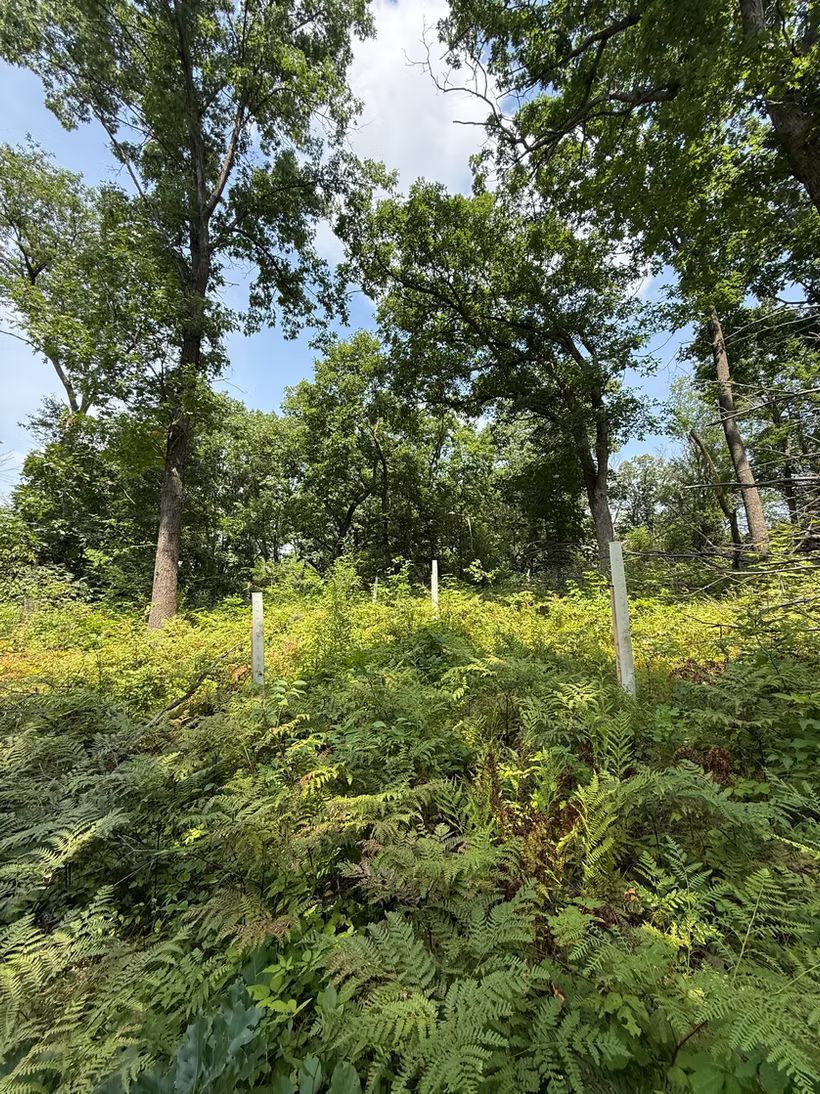
The Driftless is oak country, but young oaks can't grow in a shaded-out understory. Opening it up gives your existing oaks room and the next generation of oaks a chance.
Native Habitat Restoration & Seeding
Bare ground left alone fills back in with invasives. We reseed cleared areas with native grasses, sedges and wildflowers matched to the site, from dry hilltop to wet bottomland.
Long-Term Wildlife Habitat Management
Restoration takes years, not a day. We build a management schedule covering follow-up treatments, prescribed fire, mowing and spot spraying, and we come back to do the work.
Buckthorn & Honeysuckle Removal in Southwest Wisconsin
If you own wooded ground in Dane, Iowa, Green, Lafayette or Grant County, you're probably dealing with one or both. Wisconsin lists common buckthorn, glossy buckthorn and non-native bush honeysuckles as restricted invasive species under its NR 40 rule, so control is encouraged and knowingly spreading them is illegal.
How to spot them
Buckthorn stays green into November and has dark berries and yellow-orange inner bark. Bush honeysuckle leafs out first in spring and has a hollow, brown center when you snap a branch. Late fall, once native leaves are down, is the easiest time to see how far they've spread.
For farmland owners
Common buckthorn is the winter host for the soybean aphid. Clearing it from fencerows next to crop fields helps your habitat and your neighbor's beans.
Why cutting alone doesn't work
An untreated stump comes back as a cluster of new stems. Lasting removal pairs cutting with the right follow-up:
Cut-stump treatment so the roots die instead of resprouting
Basal bark treatment on smaller stems during the dormant season
Forestry mulching to grind dense thickets in place, with no brush piles
Foliar treatment of resprouts and seedlings the next growing season
Prescribed fire where the site supports it, to knock back seedlings across large areas
Buckthorn seeds stay viable in the soil for several years, so we plan follow-up visits from the start.
Wildlife Habitat Restoration for Hunting Properties
On many hunting properties, the buckthorn thicket is the bedding cover. Clear it all at once with no plan and you can push deer off your land for a season or two. We restore hunting land with deer in mind:
Phasing removal so there's always security cover
Replacing invasive cover with native shrubs like hazelnut, dogwood and wild plum, plus warm-season grasses
Letting light back to the ground for browse, forbs and acorns
Tying it into your food plots, waterholes, stand access and trails
The result is a property that holds more deer, turkey, grouse and songbirds, and is quieter to hunt.
How a Habitat Restoration Project Works
Step 1
Property walk & goals
We walk your land with you and learn what you want from it.
Step 2
A phased plan
We map problem areas, set priorities and phase the work to fit your budget.
Step 3
Clearing & treatment
Cutting, mulching and stump treatment matched to each part of the property.
Step 4
Restore & reseed
Native seed goes down so natives, not the next wave of invasives, fill the gap.
Step 5
Follow-up & long-term management
We treat resprouts, schedule burns where they fit and adjust as the land responds.
Why Southwest Wisconsin Landowners Work With Us
Local Expertise
Based in Mount Horeb, we know Driftless ground and what grows back after clearing.
The owners do the work
Ryan and Jordan are on your property, not a crew you've never met.
Plans built around your goals
No one-size-fits-all approach.
We stay for the follow-up
Restoration is a multi-year job, and we're in it for the long run.
One team for the whole property
Prescribed burning, food plots, prairie and pasture, and forestry mulching, trails and waterholes.
Our goal is simple:
leave every property in better shape than we found it.